
How to Choose a Modern Bedside Table
A modern bedside table is more than a convenient surface beside the bed. It plays a defining role in the overall composition of a bedroom, influencing proportion, balance, and functionality. In contemporary interiors, where restraint and clarity are central, the bedside table must harmonise with architecture, lighting, and textiles. Choosing the right piece requires attention to scale, material, and storage, as well as a clear understanding of how the bedroom is used daily. When selected thoughtfully, it elevates the entire space.
Unlike purely decorative furniture, a bedside table performs multiple tasks. It holds reading lamps, books, water glasses, and personal objects while contributing to the visual rhythm of the room. In modern design, it should feel integrated rather than incidental. The goal is not to overcrowd the bedside area, but to refine it. Simplicity, proportion, and material integrity are key considerations.
Start with Proportion and Height
The most common mistake when choosing a bedside table is ignoring height. Ideally, the tabletop should align closely with the top of the mattress or sit just slightly below it. This ensures ergonomic comfort when reaching for items during the night. A piece that is too tall disrupts visual flow, while one that is too low can appear disconnected from the bed. Modern interiors rely heavily on clean horizontal lines, so alignment is essential.
Width is equally important. In compact urban bedrooms, slimline designs prevent overcrowding and maintain circulation space. In larger suites, more substantial pieces can anchor the bed and create symmetry. Before selecting from curated collections of modern bedside tables, measure both the bed frame and the available wall space carefully. Proportion is the foundation of refinement.
Consider Storage Needs
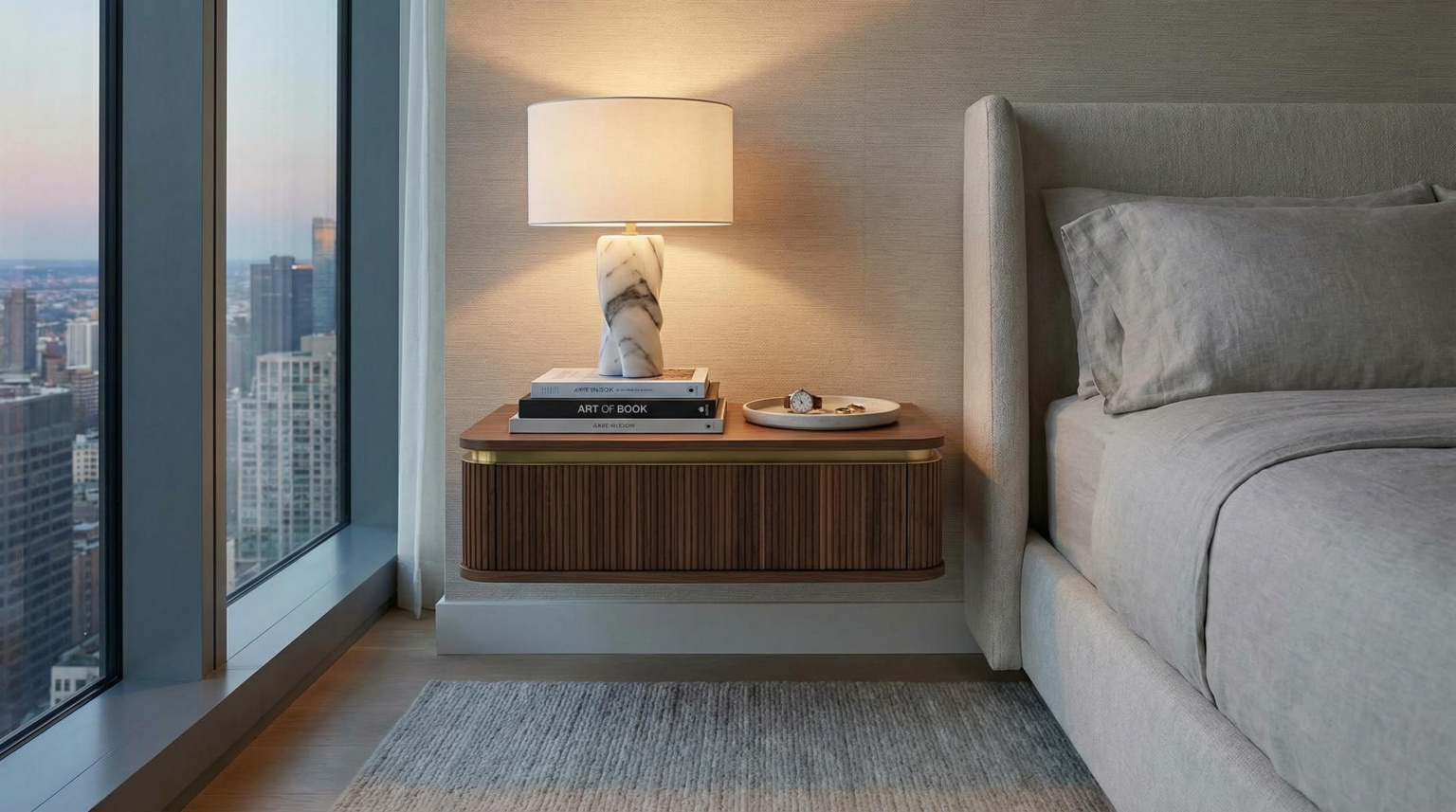
Modern design does not eliminate practicality. Instead, it integrates it seamlessly. If you prefer a clutter-free surface, a bedside table with drawers may be ideal. Soft-close mechanisms and concealed handles preserve clean lines while offering discreet storage. For those who favour visual lightness, open-shelf designs can work beautifully, especially when styled with restraint.
In luxury interiors, storage solutions are often custom-tailored. Floating bedside tables mounted to the wall enhance the perception of space and make cleaning easier. They are particularly effective in minimalist bedrooms with integrated lighting and concealed wiring. When browsing refined options such as luxury bedside tables, note how detailing remains subtle even when storage is generous. True modernity lies in discretion.
Material Defines Character
The material of a bedside table sets the tone of the bedroom. Timber introduces warmth and organic depth, especially when paired with soft textiles and layered lighting. Walnut and oak are popular in modern schemes, offering richness without overpowering the palette. For cooler interiors, lacquered finishes or glass surfaces provide crisp definition.
Stone and marble add gravitas, particularly in high-end contemporary homes. A marble top combined with timber or metal framing creates a balanced contrast between natural texture and architectural precision. Italian craftsmanship often leads in this area, with collections such as Italian bedside tables showcasing sculptural forms and refined detailing. The interplay between material and silhouette determines whether the piece feels understated or statement-making.
Shape and Silhouette
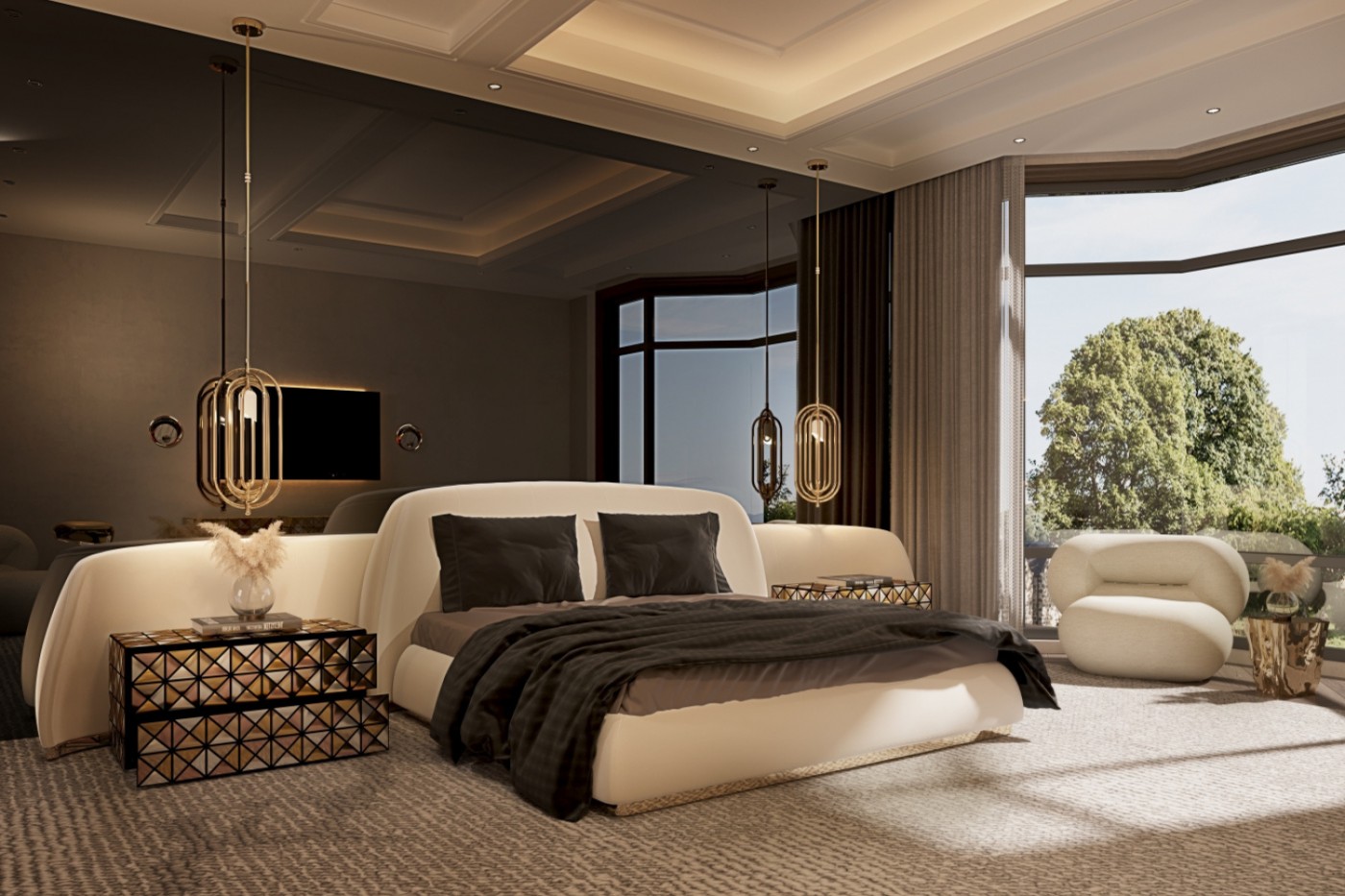
Modern bedside tables tend to favour clean geometry. Rectangular forms complement structured beds and architectural headboards, reinforcing linear harmony. However, curved or cylindrical designs can soften a room dominated by sharp edges. In bedrooms with strong vertical elements such as tall windows or panelled walls, rounded silhouettes introduce balance.
Handle design also influences the overall aesthetic. Integrated pulls, recessed grips, or handle-free push systems maintain minimalist integrity. Visible brass or brushed metal handles add a subtle layer of warmth and can echo lighting fixtures within the room. Consistency in finish ensures cohesion.
Colour and Contrast
Neutral tones remain central to modern bedroom design. Charcoal, taupe, warm beige, and muted greys provide versatility and longevity. A bedside table can either blend seamlessly with the bed frame or create gentle contrast. For example, pairing a dark walnut table with a light upholstered bed establishes depth without overwhelming the space.
In more adventurous interiors, a single statement piece in lacquered black or deep forest green can introduce personality. The key is restraint. Modern design thrives on controlled contrast rather than dramatic clashes. The bedside table should enhance, not dominate, the visual hierarchy.
Lighting Integration
Lighting is intrinsically linked to bedside table selection. Consider the scale and weight of the table lamp or wall-mounted fixture that will accompany it. A compact surface may not comfortably support a large sculptural lamp. Conversely, an oversized table can dwarf delicate lighting.
Many contemporary designs incorporate built-in LED strips or concealed lighting beneath floating units. This creates a subtle halo effect and enhances ambience. When combined with textured textiles and layered bedding, integrated lighting contributes significantly to atmosphere. The bedside table becomes part of a broader lighting strategy rather than a standalone object.
Pairing or Mixing?
Symmetry remains a classic choice, particularly in master bedrooms. Two identical bedside tables provide visual balance and reinforce structure. However, modern design increasingly embraces curated asymmetry. Pairing two complementary but distinct pieces can introduce character while maintaining harmony.
If mixing styles, ensure cohesion through shared materials or finishes. For example, two tables in different shapes but matching walnut veneers can feel intentional rather than mismatched. Thoughtful contrast reflects confidence in design decisions.
Durability and Craftsmanship
Quality construction ensures longevity. Examine joinery, drawer mechanisms, and surface finishes before committing. Solid timber, high-quality veneers, and precision metalwork signal durability. A modern bedside table should withstand daily use while retaining its structural integrity.
Luxury furniture makers prioritise both engineering and aesthetics. Smooth drawer glides, seamless edges, and well-balanced proportions indicate attention to detail. Investing in well-crafted pieces prevents the need for frequent replacement, aligning with sustainable design principles.
Final Considerations
Choosing a modern bedside table is ultimately about balance. It must satisfy practical needs while reinforcing the architectural language of the bedroom. Height, material, storage, and silhouette all contribute to its success. Whether selecting understated pieces from curated collections of modern designs or opting for sculptural Italian craftsmanship, clarity of intention is essential.
A well-chosen bedside table completes the bedroom composition. It supports daily rituals, enhances lighting, and contributes quietly to atmosphere. In modern interiors, where every element carries weight, even the smallest table deserves thoughtful consideration.